Concrete sealing in Korumburra
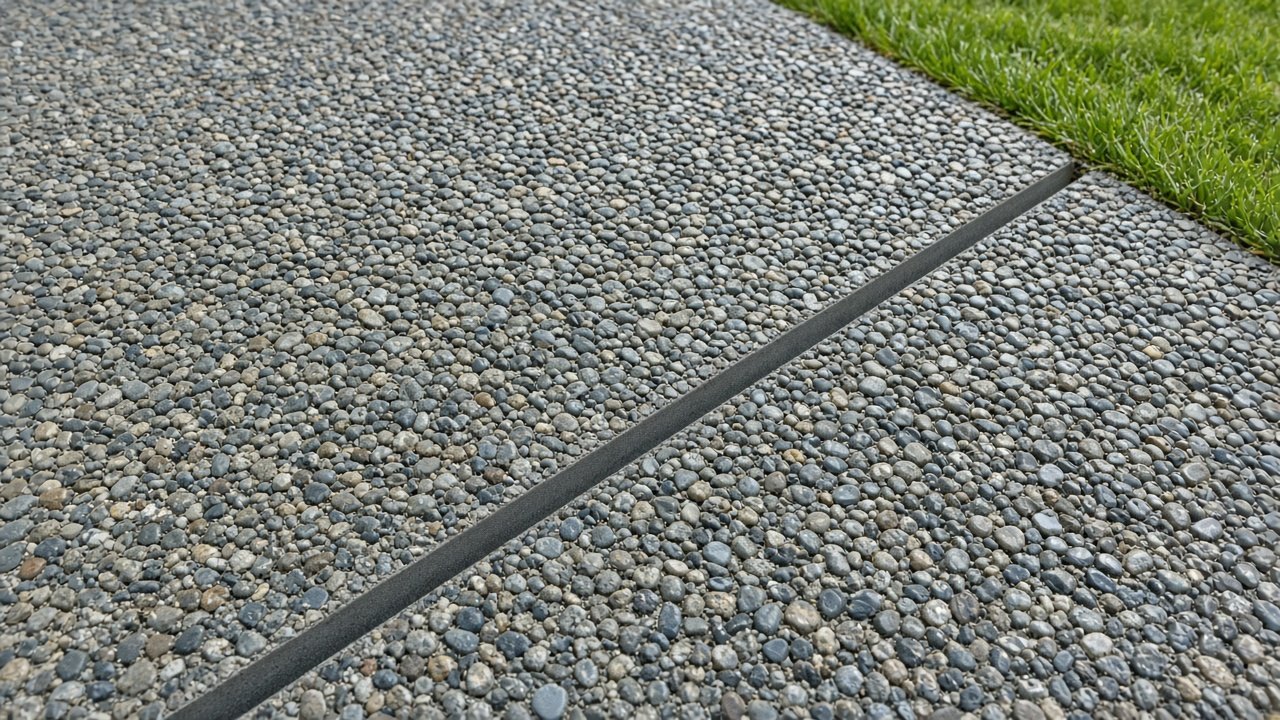
Sealing protects Korumburra concrete from clay stains, moss, oil and weather, and brings back the colour in exposed aggregate and coloured slabs. We clean properly first and choose sealers that keep their grip on slopes.
Email: info@korumburraconcreting.com.au
Why seal concrete in this climate
Korumburra's wet winters, frosty mornings and red clay are tough on concrete surfaces. Unsealed concrete is porous. It absorbs water, oil, leaf tannins and clay, and shaded areas grow moss and algae. A good sealer reduces absorption, makes cleaning easier, protects colour and, on exposed aggregate, brings back the depth of the stones.
Which surfaces benefit most
Exposed aggregate driveways and paths, coloured and stamped concrete, patios and alfresco areas, pool surrounds and garage floors are the surfaces that benefit most from sealing. Plain broomed driveways and farm slabs are often left unsealed, but sealing can still help on garage floors and areas prone to oil stains.
Types of sealer
Penetrating sealers soak into the concrete and protect from within without changing the look much. They keep the natural texture and grip. Film-forming sealers, such as acrylics and polyurethanes, sit on the surface and give a deeper colour or a sheen. Some are designed for decorative concrete, others for heavy-duty use. We choose the sealer based on the surface, traffic, sun exposure and how much sheen you want.
Grip on slopes and around pools
On sloping driveways, paths and pool surrounds, grip is the first priority. Some glossy sealers can make a surface slippery when wet. We choose products designed for outdoor trafficked areas and add slip-resistant additives where needed. On steep sections, we may recommend a penetrating sealer or a satin finish rather than a high gloss.
Cleaning comes first
A sealer locks in whatever is on the surface, so cleaning is essential. We pressure clean, remove moss, algae, oil and stains as far as possible, and allow the concrete to dry properly before sealing. In Korumburra's climate, waiting for a dry spell matters, because sealing damp concrete can cause cloudiness and poor adhesion.
Resealing older concrete
Sealers wear, especially in wheel tracks and walkways. Older sealers can also yellow, peel or turn white. We assess the existing sealer and recommend whether it can be cleaned and recoated or whether it needs stripping first. Mixing incompatible sealers can cause problems, so knowing what was used before helps.
Sealing new concrete
New concrete must cure and dry before sealing. The timing depends on the mix, the weather and the type of sealer. If sealing is part of a new driveway or patio, we schedule it at the right time after the pour and include it in the quote.
How often to reseal
It depends on the sealer, sun exposure and traffic. Driveways in full sun and with heavy traffic need resealing more often than covered patios. We give you an idea of the expected interval and the signs to watch for, such as water no longer beading on the surface or the colour fading.
Moss, algae and shaded areas
Shaded paths and driveways in Korumburra can grow moss and algae quickly, especially on the southern side of houses and under trees. Sealing slows this, but regular cleaning is still needed. We can recommend gentle cleaning products that will not damage the sealer.
Garage floors and workshops
Garage and workshop floors benefit from sealing to resist oil, fuel and chemical stains and to reduce dust. Some products are designed specifically for garage use. We clean and prepare the slab and apply a suitable sealer.
Our process
We inspect the surface, explain the options, and give you a written quote that covers cleaning, any repairs, the sealer type and the number of coats. On the day we clean, let the surface dry, apply the sealer and leave clear instructions on when the area can be used again.
Clay stains and red mud
Korumburra's red-brown clay is one of the most common stains on driveways and paths around town. It gets tracked in from building sites, farm tracks and unsealed roads, and it can work into the surface of unsealed concrete. Sealing makes clay much easier to wash off, and a good clean before sealing can lift a lot of the existing staining. For homes near building sites or rural roads, sealing is often worth the effort for that reason alone.
Sealing farm and commercial floors
Some farm and commercial floors benefit from specialised sealers or hardeners, such as dairy wash areas, workshop floors and storage sheds. These products are designed for chemical resistance, abrasion and easy cleaning. We discuss your use and choose a suitable product, and follow any processor or safety requirements that apply.
Sealing as part of a new pour
When sealing is included in a new driveway or patio, we plan it as part of the job, return at the right time after curing, and seal in suitable weather. That way the new surface is protected from the start.
Caring for sealed concrete
Sweep or hose sealed surfaces regularly, clean up oil and food spills promptly, and avoid harsh solvents. Watch for signs that resealing is due, such as water soaking in rather than beading, or wheel tracks looking dull. Regular care makes each coat last longer.
Sealing exposed aggregate after a few years
Older exposed aggregate driveways often look dull and grey, but a thorough clean and reseal usually brings back much of the original stone colour. It is one of the most cost-effective ways to refresh the front of a Korumburra home without new concrete.
Korumburra clay, slopes and South Gippsland rules
Korumburra sits high in the hills of South Gippsland, at the edge of the Strzelecki foothills, in country that was cleared for dairying and once mined for black coal. Under the grass most blocks have heavy, reactive clay over weathered sandstone and mudstone. That clay swells in a wet winter and shrinks in a dry summer, and on a slope it also wants to creep downhill. A slab poured thin, straight onto it, will crack and move.
So we dig to firm ground, take out topsoil and soft material, compact crushed rock in layers, set steel on chairs, and plan joints and drainage before the pour. Falls are designed to take water safely down the hill, away from the house and garage, to a legal point of discharge. High rainfall makes compaction harder in winter, and frost and cold slow curing, so we plan around the season. Concrete inside your boundary rarely needs a council permit. Work in the road reserve, such as a crossover, nature strip or public footpath, generally needs the council's consent. A slab that carries a building needs a building permit and engineering. Your quote spells out which of these apply.
How a Korumburra quote is put together
Every quote we send is written and itemised. It sets out the area we measured, the digging and where the spoil or old concrete will go, the compacted crushed-rock base, the slab thickness, the steel and how it is supported, the finish, any sealer, and the extras that hilly blocks often need: drains, steps, a small wall, a landing or a new crossover. If South Gippsland Shire, the state road authority or a building surveyor has to be involved, the quote names that up front.
It also covers the practical side of pour day: where the truck or pump can stand on a steep street, how we protect gardens, fences and the footpath, and how long the area must stay closed. If we suspect the ground hides a problem, such as wet clay, an old slab, a spring or a buried pipe, we say so and explain how we would deal with it. There are no prices on this website because two blocks on the same Korumburra street can need very different work. The visit and the written quote cost you nothing.
What you get with Korumburra Concreting
Local to Korumburra 3950
We work the town first, then the South Gippsland towns and farming districts we actually drive to every week.
Built for hills, clay and rain
Deeper prep where reactive clay needs it, compacted bases, and falls that take water safely down a sloping block.
Free written quotes
Every job is itemised. No website rates, no pressure, and no charge to visit or to send the quote.
Home and farm work
From house slabs and driveways to machinery shed floors and yards, with council and permit steps named in the quote.
Six steps to a finished job
- 1
Get in touch
Call, email or send the form with a few photos of the area, the street frontage and any steep or tight access.
- 2
Site visit
We measure, check the levels and the slope, look at the ground and drainage, and bring finish samples to hold against the house.
- 3
Written quote
You get an itemised quote covering digging, base, thickness, steel, finish, drains and any council or permit work.
- 4
Base and formwork
We remove old concrete or topsoil, dig out soft clay, compact the base, set the forms and place the steel on chairs.
- 5
Pour and finish
Concrete is placed, levelled and finished for grip on the slope, then protected while it cures in the week's weather.
- 6
Clean-up and care
We strip the forms, cut joints, take the rubble away, seal if it was quoted, and leave written care notes.
Concrete Sealing questions
How often should concrete be resealed?
It varies with sun, traffic and the sealer used. Busy, sunny driveways need resealing more often than covered patios. We give you a guide for your surface.
Will sealing make my driveway slippery?
It can if the wrong product is used. We use sealers suited to outdoor trafficked areas and add slip-resistant additives on slopes and pool surrounds.
Can you seal over old sealer?
Sometimes. It depends on the existing sealer's condition and compatibility. Peeling or cloudy sealer may need stripping first.
Does sealing stop moss?
It slows moss and algae growth by reducing moisture absorption, but shaded areas still need occasional cleaning.
Where we work
Other concreting services
Talk to a Korumburra concreter
We visit, measure and put it in writing for work in Korumburra 3950 and the South Gippsland towns around it. Nothing on this site is priced, because no two blocks are the same.